I have never fit cleanly inside one title.

I am an entrepreneur. An advisor. A fractional executive. A speaker. A host. A husband and father. A former pastor who still believes business is one of the most human things we will ever build. The titles explain the rooms I work in. They do not fully explain the work, which is seeing what other people miss, naming what other people avoid, and helping people move when the next step matters.

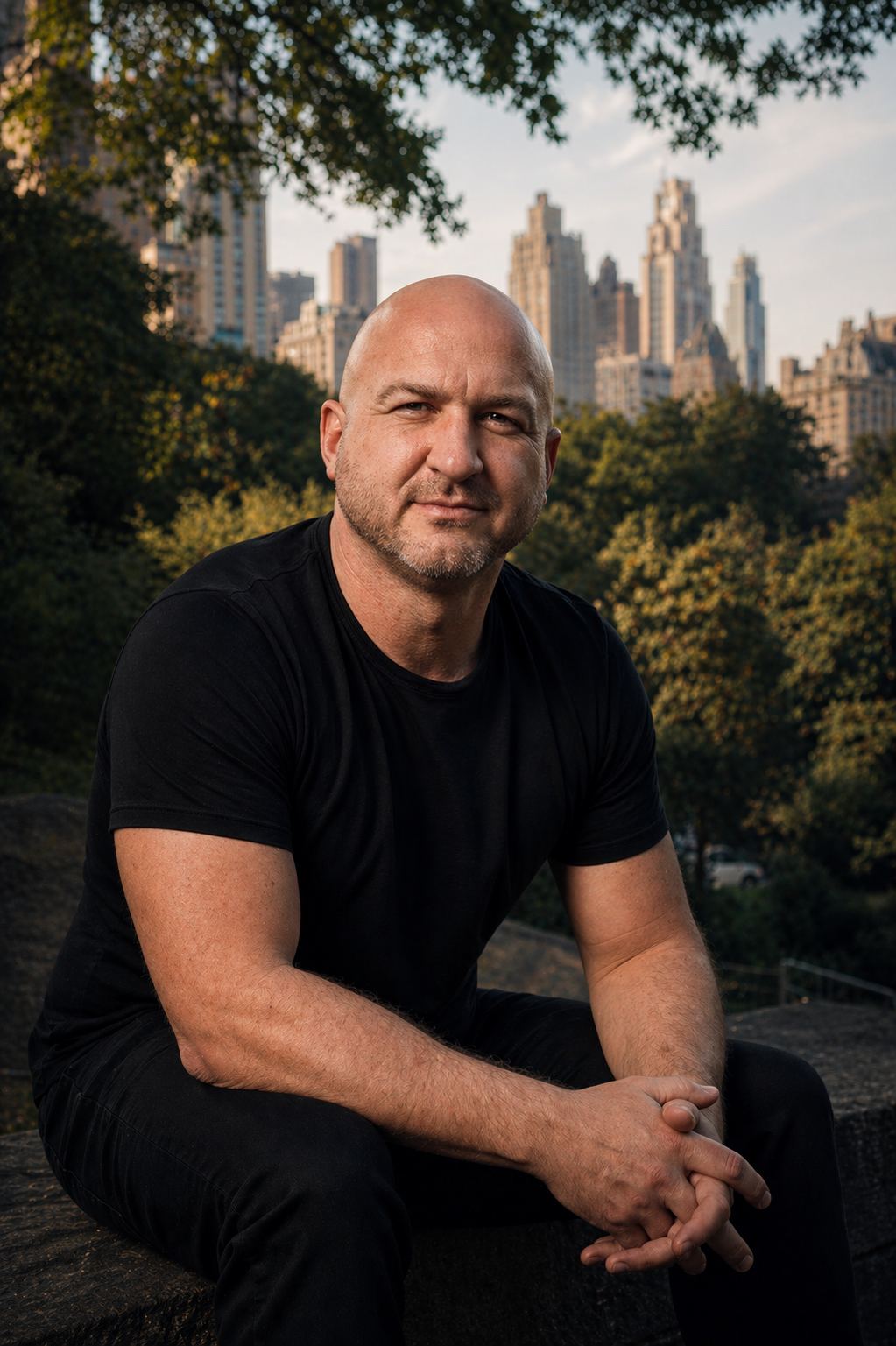
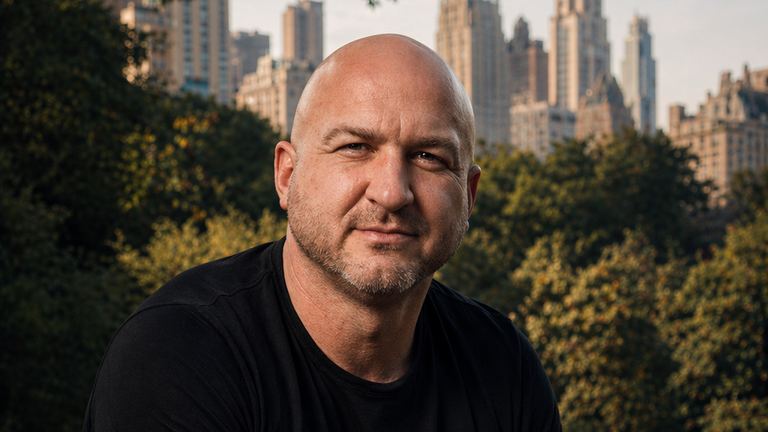
Nick Cavuoto seated outdoors in a dark editorial portrait.
The rooms I work in Entrepreneur Advisor Fractional Executive Speaker Host of Second to None Husband & Father

The honest version

Most bios are designed to make a person look inevitable. Mine was not.

My path has included companies built, companies changed, seasons of rapid growth, reinvention, financial risk, leadership, ministry, marketing, technology, public speaking, private loss, and moments that permanently changed how I define success.

There are parts of my story I am proud of. There are parts I would handle differently today. There are seasons I would never choose to repeat, but would never erase because of what they taught me.

Before I was an advisor, I was a builder. I have founded and led four companies. I know what it feels like to carry the vision before other people can see it. To sell before the system is ready. To make payroll. To wonder whether the opportunity is real or whether you are forcing it.

I have worked across brand, marketing, sales, revenue, media, technology, operations, leadership, and AI, advising small owner-led businesses and stepping into the complexity of larger companies with executive teams and high commercial stakes. The size of the company changes the scale of the variables. It does not change the central question: what is the thing affecting everything else?

That is the perspective I bring into a room. Not theory from a distance. Pattern recognition earned through proximity.

The path so far

01Early ministry and pastoral leadership
02First entrepreneurial ventures
03Company-building and brand & marketing work
04Strategic and fractional executive leadership
05TEDx and speaking
06Private advisory
07Second to None

My story

Three seasons shaped the way I see.

Ministry 2009–2014

I started by learning to see people.

Before I understood business models, funnels, or organizational design, I learned to sit with people. To listen beyond the words. To recognize when someone was saying the acceptable thing instead of the true thing.

My early life in ministry shaped that part of me. It taught me that people are not spreadsheets. That decisions carry emotional, relational, and spiritual weight.

I no longer work primarily as a pastor. But I never stopped believing that leadership is sacred work. People place their income, careers, families, confidence, and future inside the decisions leaders make. That deserves more than tactics. It deserves discernment.
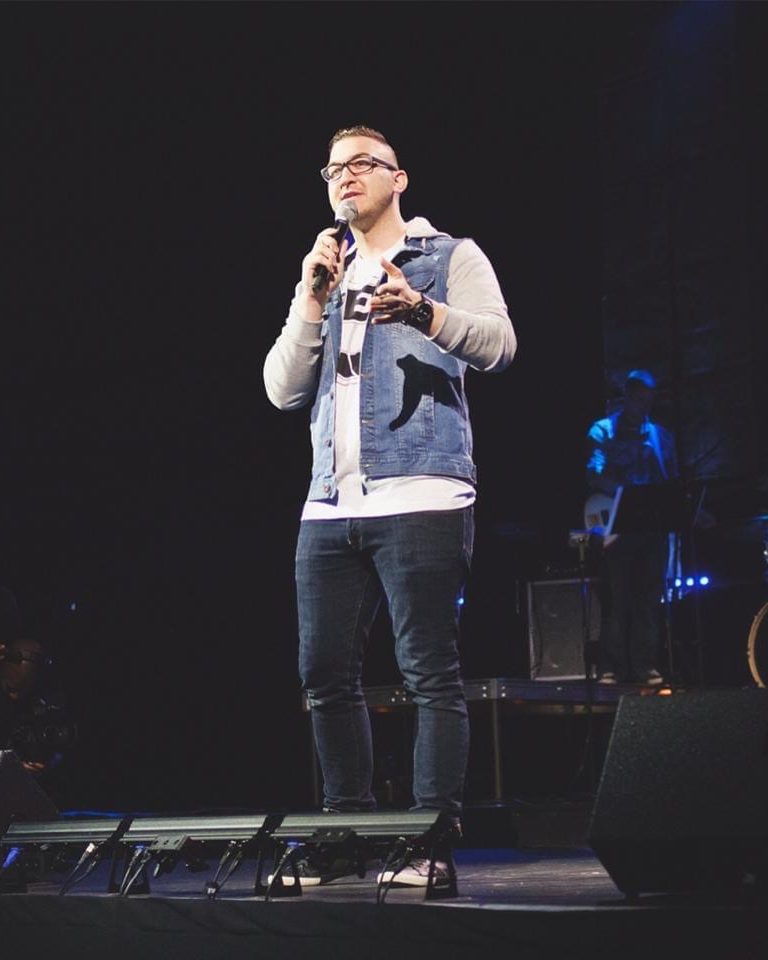
Nick Cavuoto speaking on stage during his ministry years.

Business 2014–2023

Business taught me to make the truth practical.

Caring is not enough if the company cannot perform. A beautiful vision does not make payroll. A brilliant strategy that nobody can execute is still a failed strategy.

Business taught me to connect insight to revenue, profit, pricing, offers, sales, marketing, people, systems, deadlines, ownership, and evidence. That combination, the human truth and the commercial reality, is where I do my best work. I care about what the number says. I also care about what the number is doing to the person responsible for creating it.

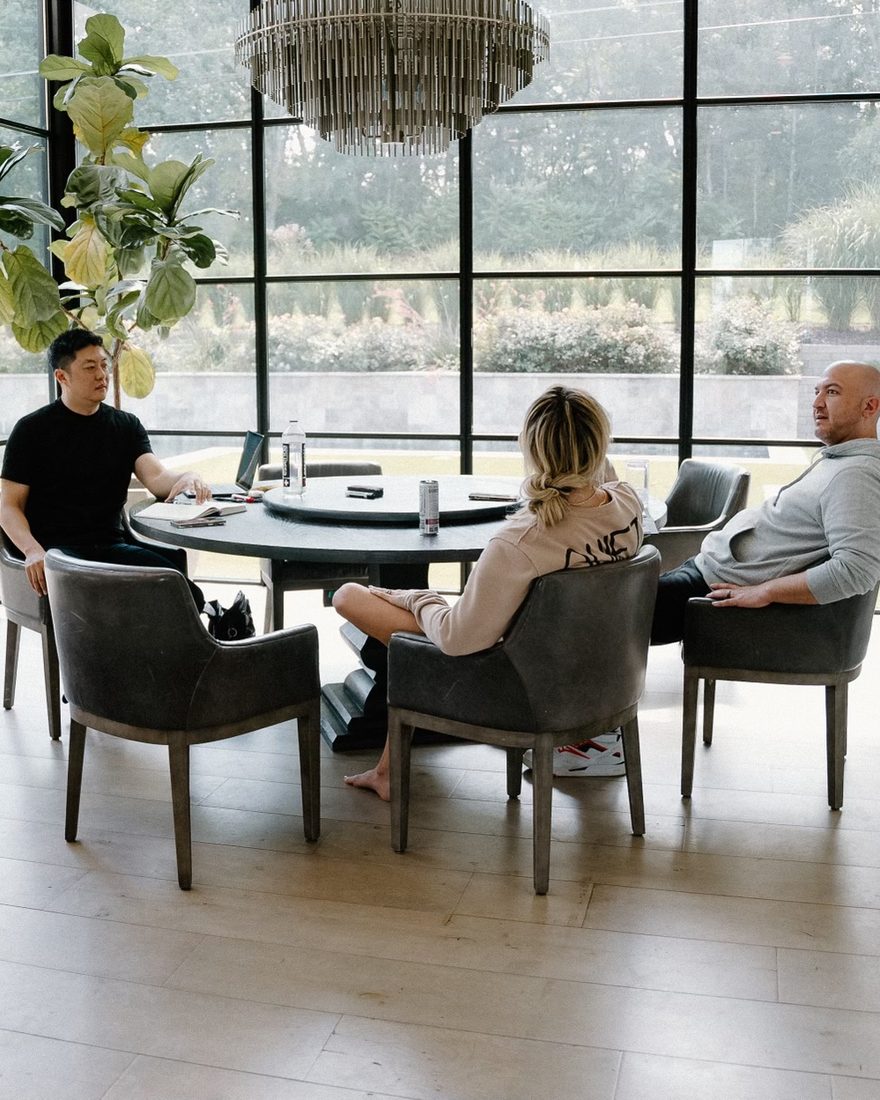
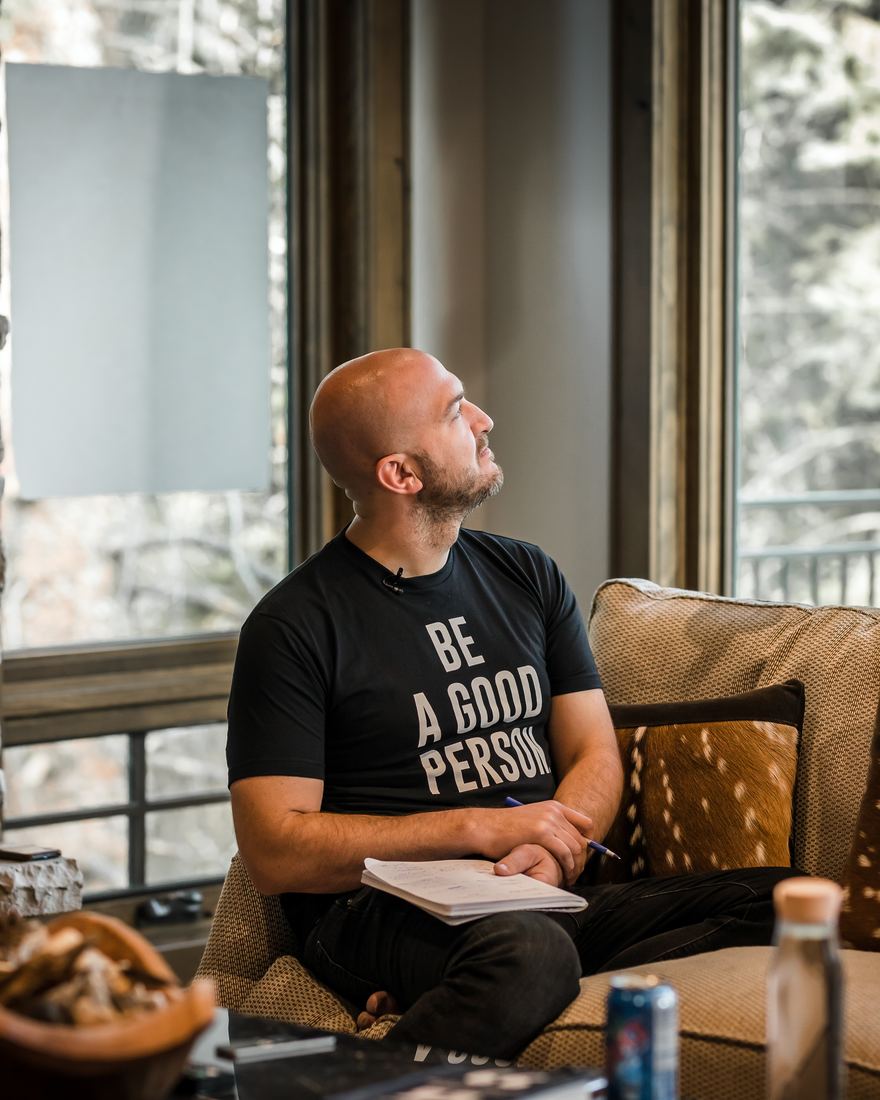
Nick Cavuoto in a working session with a business owner.

Leadership 2023–Present

Leadership is knowing what deserves attention first.

Sales sees a lead problem. Marketing sees a message problem. Operations sees a process problem. Leadership sees an accountability problem. The owner sees all of it, and often cannot tell which part deserves attention first.

I look at the relationship between the parts: the pricing decision affecting the sales conversation, the leadership behavior affecting team ownership, the owner’s capacity affecting execution. I am not interested in adding another idea to the pile. I want to identify the leverage point. Then I want to move it.

Nick Cavuoto in a working session with a leadership team.

“The visible problem is rarely the whole problem. My job is to find the thing affecting everything else.”

Nick Cavuoto

Family

Life changed the definition of winning.

For a long time, I understood success through movement. Build more. Reach more people. Win the next thing. I still believe in ambition. I still love the charge of turning an idea into something real.

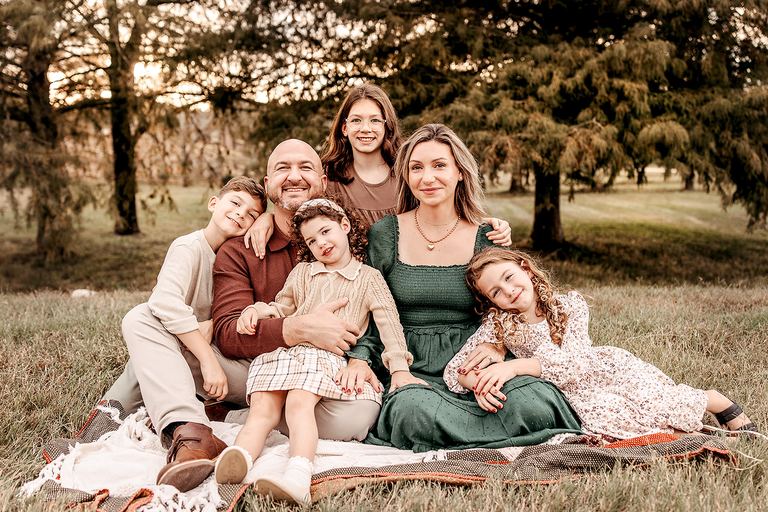
But life has a way of exposing definitions that are too small. I am married to Ashley. We are raising four children: London, Jude, Zara, and Remy. They are not a soft-focus detail at the bottom of my biography. They are part of the standard by which I measure the work.

Does the business create a life we can actually experience together? Does success make me more present, or merely more impressive? Those questions are not separate from business strategy. They are the reason strategy matters.

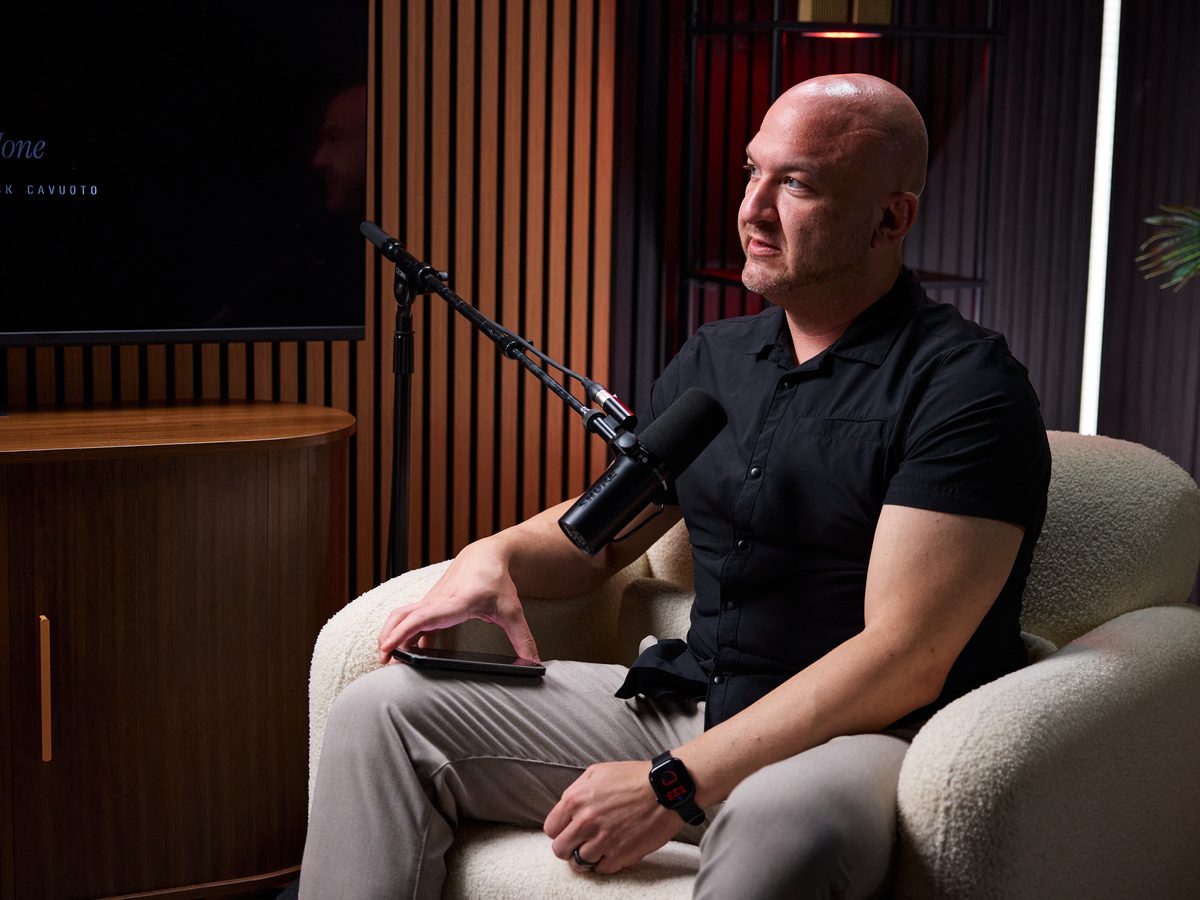
Nick Cavuoto in the studio.

There are moments that divide life into before and after.

On March 27, 2023, our family lived through the Covenant School shooting in Nashville. Two of our children were inside the school.

There is no clean way to turn an experience like that into a lesson. I do not want to use tragedy as branding. But I would be dishonest if I pretended it did not change the way I see time, work, family, fear, faith, and the illusion that we can postpone the life we say we are building.

It sharpened something I already believed: the business should give something back to the person who built it. Not someday. Not after one more season. Now. The revenue matters. The profit matters. The company matters. And so do dinner, presence, health, family, faith, meaning, and the people whose lives are happening while we are busy building.

The Cavuoto family together in a field. Nick shared part of this story with WSMV News 4 in Nashville. Read the interview

A conviction about owners

I do not believe the goal is to remove the owner.

The internet is full of people telling business owners to make themselves irrelevant. I understand the intention, a company should not collapse because the owner takes a week away. But I do not believe freedom requires erasing the owner’s genius.

Some companies are exceptional because the owner has a rare eye, instinct, voice, relationship, or ability. The goal is not to remove that. The goal is to stop trapping it inside work someone else can own.

The common advice

Remove the owner.

Make yourself irrelevant, even when the company is exceptional because of your rare eye, instinct, voice, or relationships.

The actual goal

Remove the dependence. Preserve the genius.

You do not need to become less valuable. You need to stop being required everywhere. That is a different kind of business.

What I believe

  1. The truth is usually simpler than the story protecting us from it.

  2. Most people do not need more information. They need better judgment about what matters now.

  3. Clarity should change behavior. Otherwise it is entertainment.

  4. Profit is not the enemy of meaningful work. Profit is what allows valuable work to continue.

  5. Teams grow when leaders stop rescuing every result.

  6. The right advisor makes a client more capable, not permanently dependent.

  7. AI will make information and execution cheaper while making human judgment, trust, and courage more valuable.

  8. You cannot outwork misalignment.

  9. The business should create options, not consume all of them.

How I work

I listen. I ask questions. I look at the whole situation. Then I tell you what I see.

01

The Read

What I believe is actually happening.

02

The Recommendation

What I believe should happen next.

03

The Reason

Why this move matters more than the other options.

04

The First Action

What has to happen now, not someday.

I am not interested in performing certainty when the evidence is incomplete. The decision remains yours. But you will not leave wondering what I think.

Fit

I work best with people who want the truth more than reassurance.

The work fits when

  • You have built something real.
  • You want the truth more than reassurance.
  • You care about the numbers and the humans behind them.
  • You are willing to make a decision.

It is usually not a fit when

  • Reassurance is the product being shopped for.
  • The business is still an idea, not something built.
  • The numbers are treated as someone else’s problem.
  • A decision is the thing being avoided.

I am not the right advisor for everyone. That is intentional. The right work begins with recognition: you see something in the way I think, I see something in the situation you are carrying, and then we decide whether the work belongs to us.

I am still building. Still learning. Still trying to become the man my work, family, faith, and future require.

When the moment is important, the problem is complicated, and the right move is no longer obvious, that is usually where I belong.